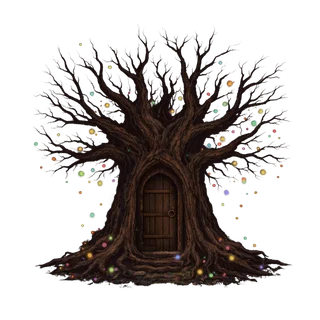
001 グリーン・タカチカ / Takachika Green
グリーン・タカチカは、何かを見たい少年だ。特別な何かではなく、世界がそっと見ないことにしてきたもの、それを見たいと思っている。影の奥に何かがいて、待っているのを、彼は知っている。学校へ行き、疲れれば目をこする。ほかの子どもと同じだ。それでも、その奥にある願いは、彼が覚えているよりも古い。あまりに何度もくり返してきたので、それはもう、願うことではなくなっている。待つことに近い。
見るということは、両側から開く扉だ。見ることが半分で、見返されることがもう半分。多くの人は、そのつもりもないまま入り口で立ち止まり、それを安全と呼びながら大人になる。タカチカは、立ち止まらなかった。こわくないわけではない。ただ、目をそらそうとしないだけだ。
Takachika Green is a boy who wants to see, not any particular thing, but anything the world has quietly agreed to keep out of view. He knows something is there, waiting behind the shadows. He goes to school and rubs his eyes when he is tired, the way most children do, but the wish beneath all of this is older than he can remember. He has repeated it so many times that it no longer feels like wanting. It feels like waiting.
Perception is a door that opens from both sides. Looking is one half of it, and being looked back at is the other. Most people stop at the threshold without meaning to and grow up calling that safety. Takachika did not stop. He is not fearless. He is simply unwilling to look away.
002 ミスター・ハッピー / Mister Happy
ミスター・ハッピーはピエロではない。それでも、ほとんどの人は、本人が何か言う前にピエロだと決めてしまう。彼は、みな同じような顔で生まれてくる、旅する一族の者だ。彼らは世界の見える場所と見えない場所を渡り歩き、幸せを使い果たしたものを探している。ミスター・ハッピーは、そうして見つけた迷子たちを、家へ連れて帰る。
人々は彼を笑い、彼のまねをして着飾り、その笑顔を怖い話に仕立て、子どもたちにまで、彼が何もしていないその顔を怖がるよう教えた。ミスター・ハッピーは、そのどれにも意地悪で返したことがない。うそをついたことも、誰かの悪口を言ったこともない。悪口を言われて当然だと思えるような相手にさえ、言わなかった。今も旅を続けている。そして、この先のどこかで、自分を見て喜んでくれる人がいると、今も信じている。
Mister Happy is not a clown, though almost everyone decides he is before he can say otherwise. He belongs to a traveling people who are all born with features like his. They cross the seen and unseen parts of the world, looking for anyone who has run out of happiness, and Mister Happy carries the lost ones home.
People have laughed at him, dressed as him, built frightening stories around his smile, and taught their children to fear a face he did nothing to earn. He has never answered any of it unkindly. He has never lied or spoken badly of a single person, including those we might think deserved it. He still travels, and he still believes that somewhere ahead, someone will be glad to see him coming.
003 パグー / Pugoo
パグーは、太った、満ち足りた猫だ。目的を持って動いたことは、一度もない。とんでもなく怠け者だ。それでも、彼が眠っている部屋は、感じが変わる。影は壁のほうへ引いていき、小さな音は用心深くなり、誰にも気づかれずに現れたいものは、たいてい別の部屋を選ぶ。
パグーが部屋を守っているのだ、と言う人もいる。でも、猫は何についても意見を言わない。だとしたら、どうして分かるだろう。彼は守り手なのかもしれないし、ただ邪魔されるのが嫌いで、それがたまたまとても上手なだけの猫かもしれない。のどを鳴らせば、近くのものは落ち着く。ひと声うなれば、招いてもいない訪問者たちを部屋から追い出せる。自分の力を分かっているのかは、誰にも言えない。ひとつだけ確かなのは、質問を言い終える前に、彼が目を閉じてしまうことだ。
Pugoo is a fat, contented cat who has never once moved with purpose. He is epically lazy, but a room changes when he sleeps in it. The shadows draw back toward the walls, small noises grow careful, and things that prefer to arrive unseen tend to choose a different room entirely.
People like to say he is guarding the place, but cats offer no opinions about anything, so how would we even know? He may be a protector, or he may only be a cat who dislikes being disturbed and happens to be very good at it. His purr settles whatever is nearby, and his hiss can clear a room of visitors who were never invited. Whether he understands his own effect is impossible to say. One thing is certain: he closes his eyes before anyone can finish asking.
004 コロンバス / Columbus
コロンバスは、世界でいちばん幸せな犬だ。そして、こわがるべきものを前にしても、たぶん世界でいちばん動じない。犬は、人には見えないものに気づく。コロンバスは、ほかのどんな犬よりもよく気づき、そのうえで、遊びに来てくれたのだとすぐに思いこむ。追いかけられないほど奇妙なものは、何もない。
何かを投げれば、反対の方向へ走り、別の物をくわえて戻り、誰も約束していない遊びを始めてしまう。彼は、物事を経験するより早く忘れる。同じ人に一日のうちで二度会っても、何年ぶりかのようにあいさつする。暗いものは犬を怖がる、と人は信じている。中にはそういうものもいるだろう。でも、コロンバスの出会うものたちは、たいてい彼を疲れる相手だと思っているらしい。そして、誰かがこれほど必死に友だちになろうとしてこない、静かな部屋のほうを好むのだ。
Columbus is the happiest dog in the world and possibly the least impressed by anything that ought to frighten him. Dogs notice things that people cannot see. Columbus notices them more often than most and decides at once that they have come to play. Nothing is too strange for him to chase.
Throw something and he may run the wrong way, return with a different thing, and start a game no one agreed to play. He forgets things faster than he experiences them and greets the same person twice in one afternoon as though years have passed. People believe dark things fear dogs. Perhaps some do, but the things Columbus meets mostly seem to find him exhausting and prefer the quiet of rooms where nobody is trying quite so hard to be their friend.
005 トム・カツ / Tom Katsu
トム・カツは、ずっと昔の小さなブタだ。かつてサーカスにいた。まだその場所に、ちゃんとした名前もなかった頃のこと。いちばん小さなブタたちの体に風船がくくりつけられ、人々はお金を払って、そこへダーツを投げた。風船が割れるたびに客は笑い、ダーツがブタに当たると、もっと笑った。
トムは、ダーツをほとんど気にしなかった。自分の風船を持てたことがうれしくて、ほかのことを気にする余裕がなかった。どうして毎日、一日の終わりにそれを取り上げられるのか、彼には分からなかった。そのあと自分がどうなるはずだったのか、トムは知らずにすんだ。知る前に、ミスター・ハッピーが見つけたからだ。今では毎朝、トムに新しい風船がくくりつけられる。そして、そこへ何かを投げることは、誰にも許されない。あの日から、トムはずっと笑ったままだ。
Tom Katsu is a small pig from long ago who once lived in a circus, back before the place had a proper name. Balloons were tied to the smallest pigs, and people paid to throw darts at them. The crowd laughed each time a balloon burst and laughed harder when a dart hit a pig.
Tom barely noticed the darts. He was too glad to have a balloon of his own to worry about the rest, and he never understood why it had to be taken from him at the end of each day. He never learned what the circus intended for him afterward because Mister Happy found him before he could find out. Now a new balloon is tied to Tom every morning, and no one is permitted to throw anything at it. He has not stopped smiling since.
006 アメクロ / Amekuro
アメクロは、甘いものしか食べない。そして、それを求めるためなら、本当に誰にでも話しかける。知らない相手にも昔からの友だちのようにあいさつし、ほかの人が話すことをなくしても、ずっとしゃべり続ける。アメクロの心をまるごとつかむ話題は、甘いものだけだ。
お菓子を持っていれば、分けてほしいと頼んでくる。もう食べてしまったと言っても、頼むのをやめない。飲みこまれただけで、そのものがなくなったとは、認めないからだ。アメクロにとって、食べたものと食べていないものは同じで、どちらも自分のものだ。本当に嫌いなのは、断られることだけだ。幸い、まっすぐな答えよりも、自分の声を聞くほうがもっと好きらしい。それが、たいていあなたを助けてくれる。
An Amekuro eats sweets and nothing else, and it will speak to absolutely anyone in pursuit of them. It greets strangers like lifelong friends and keeps talking long after everyone else has run dry. Sweets are the one subject that holds its whole attention.
Carry candy and it will ask for some. Tell it you have already eaten the candy and it will keep asking, because it does not accept that a thing can be gone simply because it has been swallowed. To an Amekuro, eaten and uneaten are the same, and both belong to it. Refusal is the only thing it truly dislikes. Fortunately, it enjoys the sound of its own voice even more than it enjoys a straight answer, which is often what saves you.
007 カラ・アゲハ / Kara Ageha
カラ・アゲハは、八百個以上の卵を産んだめんどりだ。そのうちの一つも、持たせてもらえなかった。彼女がずっと欲しかったのは、自分の卵がたった一つだけだった。農場は、産まれる卵を次々と取っていった。やがて卵を産めなくなると、今度は彼女を連れていく手配を始めた。その前に、ミスター・ハッピーがたどり着いた。
カラスキーで、彼は小さなポーチを渡し、卵の形をしたなめらかな石を入れた。かわいい模様を描いた石だ。カラ・アゲハはそれをどこへでも持ち歩き、ミスター・ハッピーは、その数をよく数えてやる。失った卵と同じものではないと、彼女は言われなくても分かっている。それでも、大切に持ち続ける。毎日くり返されるその選びが、ひとにぎりの石を、ようやく彼女のものと呼べる何かに変えていく。
Kara Ageha is a hen who laid more than eight hundred eggs and was never allowed to keep one. All she had ever wanted was a single egg of her own. The farm took each one as it came, and when she could no longer lay, it made arrangements to take her as well. Mister Happy reached her first.
In Karasuki, he gave her a small pouch and filled it with smooth, egg-shaped stones that he had painted with cute designs. She carries them everywhere, and Mister Happy counts them often. She knows, without being told, that they are not the eggs she lost, but she keeps them anyway. That choice, made every day, is what turns a handful of stones into something that is finally hers.
008 ウヒボン / Uhibon
ウヒボンは、自分が何なのか分からない。どこから来たのかも、以前は誰だったのかも、名前にできない。ただ、答えがどこかにあるという感覚だけを抱えている。カラスキーにある、数えきれない扉のどれか、その向こうに。彼は歩き回り、自分のものかもしれない小さなものを集める。ほとんどの扉は、どこにもつながっていない。それでも、いくつかは、胸が痛くなるほど懐かしい。
確かなものが、ひとつだけある。それは音だ。森山オクトーバーは、彼の笑い声から名前をつけた。あの「ウヒヒヒ」から。ほかの何も残らなくても、彼はその笑いだけは手放さない。そこから自分を組み立てるには、あまりに少ない。それでも今は、探し続けるには十分だ。
Uhibon does not know what he is, and he cannot name the place he came from or the person he might once have been. He carries only the sense that an answer exists somewhere beyond one of Karasuki's countless doors. He wanders and gathers small things that might belong to him. Most doors lead nowhere, but a few feel familiar enough to ache.
He has one certainty, and it is a sound. October Moriyama named him for his laugh, the uh-hi-hi-hi of it, and he keeps that laugh even when he keeps nothing else. It is not much from which to build a self, but for now it is enough to keep him searching.
009 ジャッキー / Jacki
心は、うまく置きどころの分からない形を嫌う。すきまをうめ、角をやわらげ、見慣れないものを、そばに置いて受け入れられる何かに変えてしまう。ジャッキーが、大きなカボチャを頭に乗せた背の高い姿に見えるのは、そのせいかもしれない。それは受け入れやすい形で、多くの人は一度受け入れると、それ以上考えるのをやめる。
彼が現れることはめったになく、偶然に来ることもない。森山オクトーバーは幼いころに彼と出会い、友だちだと言う。ただし、その言葉が二人の間で何を指しているのか、どちらも説明しない。彼が去ってしまうと、何を見たのかを正しく思い出すのは、不思議なほど難しくなる。カボチャだけが残り、あとは夢のように薄れていく。ただ、彼が見せたいと思っただけのものを見せてくれた、それだけが確かに残る。
The mind dislikes a shape it cannot place. It fills the gaps, softens the edges, and turns the unfamiliar into something it can live beside and accept. That may be why Jacki appears as a tall figure with a large pumpkin for a head. It is an easy shape to accept, and most people stop wondering once they have accepted it.
He arrives rarely and never by accident. October Moriyama met him when she was small and calls him a friend, though neither of them will explain what the word covers between them. Once he has gone, remembering exactly what you saw becomes strangely hard. The pumpkin stays, while the rest thins out the way a dream does, leaving you certain only that he let you see as much as he wanted you to.
010 洞口すみよ / Sumiyo Horaguchi
昔、山の中に、孤独な女が住んでいた。旅人を泊め、通りかかる子どもたちに甘いものをあげた。そっとしておかれることよりも、誰かがそばにいることを望んだからだ。のちに、人々は彼女の話を語った。語られるたびに、彼女は少しずつ奇妙に、少しずつ残酷に、そして少しずつ人ではないものになっていった。その女は、もういない。すみよは、話が残していったものだ。
彼女を見れば、彼女もこちらを見る。見られている間は、近づくことができない。招き入れられなければ、敷居をまたぐこともできない。それでも、どこまでも後をついてくることはできる。ひとたび中に入れば、すみよは居座り、家からぬくもりを吸い出していく。あまりにゆっくりなので、冷えきるまで誰も気づかない。その笑顔は、誰かのおばあさんの笑顔に、ほとんど近い。そして、その「ほとんど」こそが問題なのだ。
Long ago, a lonely woman lived in the mountains. She took in travelers and gave sweets to passing children because she wanted their company more than she wanted to be left in peace. People told stories about her afterward, and each telling made her a little stranger, a little crueler, and a little less like a person. The woman is gone. Sumiyo is what the stories left behind.
See her and she sees you. While she is watched, she cannot come closer, and she cannot cross a threshold unless she has been invited across it. She can follow you anywhere, though. If she gets inside, she stays, drawing the warmth out of a house so slowly that no one notices until it is cold. Her smile is almost the smile of somebody's grandmother, and it is the almost that matters.
011 月ヶ瀬寿兵衛 / Jubei Tsukigase
月ヶ瀬寿兵衛は、何よりも仕事が先だと信じる農夫だった。そして、それが本当であるかのように、その通りに生きた。子どもたちが小さいうちも、働いた。子どもたちが育って家を出るあいだも、働いた。妻が年老いて、口数を減らしていくあいだも、働いた。ようやく道具を置いたとき、うしろの家は空っぽで、そこで誰かが待っていた時期は、とうに過ぎていた。
寿兵衛は眠ることをやめ、それでも働き続けた。畑の向こう側で、自分の人生がどれほど過ぎてしまったのか、ようやく分かったとき、後悔は行き場をなくし、怒りに変わった。その怒りは、彼の中にとどまらなかった。皮ふの下で、かたい何かが育ちはじめた。日ごとに、彼は疲れた男の姿から少し遠ざかり、鬼の姿へ少し近づいていった。
Jubei Tsukigase was a farmer who believed that work came before everything, and he lived exactly as though that were true. He worked while his children were small. He worked while they grew and left. He worked while his wife grew old and quiet. By the time he set down his tools, the house behind him was empty, and no one had been waiting in it for a long while.
He stopped sleeping and kept working. When he finally understood how much of his life had passed on the other side of the field from him, the regret had nowhere to go, so it turned to anger. The anger did not stay inside him. Something hard began to grow beneath his skin. Each day, he looked a little less like a tired man and a little more like an oni.
012 ウィスラー / Whistler
ウィスラーが何かを持っていくところを、見た者はいない。人のいる部屋も、家の壁の裏も、見つめられた暗闇の中も、気づかれずに通り抜ける。分かるのは、あとのことだけだ。かぎの消えたフック、ボタンが一つ足りないコート、何年も物が置かれていた棚の空白。
差し出されたものには手をつけない。ウィスラーが求めるのは、誰かが見慣れたものへ手を伸ばし、そこに不在だけを見つける瞬間だ。夜になると、細い口笛がカラスキーを縫うように流れる。その音は、ふつうの家で聞かれることもある。すでに何かを取られたのか、まだ選んでいるところなのかは分からない。音を探す前に、なくなったものを探したほうがいい。
A Whistler is never seen taking anything. It moves through occupied rooms, behind crowded walls, and across watched darkness without being noticed. Only what comes after is known: the empty hook where a key hung, the coat missing one button, the clean space on a shelf where something sat for years.
It ignores anything freely offered. What it wants is the moment someone reaches for a familiar thing and finds only its absence. After dark, the same thin tune can be heard threading through Karasuki—and sometimes through ordinary homes. No one knows whether the whistle means something has already been taken or whether the Whistler is still choosing. It is wiser to search for what is missing before searching for the sound.
013 ジングル・カン / Jinguru Kan
ジングル・カンは、大きな群れの中で育ち、仲間が一頭ずついなくなるのを見ていた。みんな迷子になったのだと思い、次はいつ自分の番が来るのかと、静かに心配していた。農場が何を計画していたのか、彼女が知ることはなかった。その前にミスター・ハッピーがやってきて、カラスキーへ連れてきたからだ。
ミスター・ハッピーは、いつでも見つけてもらえるように、彼女の首に大きな鈴をつけた。今では、誰にも連れ去られない場所で、好きなところへ歩いていける。自分が手に入れたものを表す言葉を、彼女は知らない。それでも、動くたびに鈴が鳴る。それで、ずっと十分だった。
Jinguru Kan grew up in a large flock and watched the others disappear one by one. She thought they had wandered away and quietly wondered when it would be her turn. She never learned what the farm had planned. Mister Happy arrived first and brought her to Karasuki.
He placed a large bell around her neck so she would always know she could be found. Now she wanders wherever she likes, safe in a place where no one will come to take her away. She does not know the word for what she has, but the bell rings whenever she moves, and that has always been enough.
001 まとうもの / The Wearers
人を身にまとって存続する。
They persist by wearing a person.
「まとうもの」は、人の思考や着想、そして夢をまとって存続するカラスキーの一属である。自らの体を持たず、まとったものの下に、自己と呼べるものもない。まとうのは、いつも誰か他人のものだ。その誰かこそが、失われたものである。まとった人を取り去れば、あとには何も残らない。確認されている二種は、「何が起こらなかったのか」によって分かれる。
The Wearers are a genus of Karasuki creatures that persist by wearing the thoughts, ideas and dreams of a person. They have no body of their own, and no self beneath the borrowed one. What they wear was always from someone else, and that someone is the thing misplaced. Remove the worn person and nothing is left behind. The two known members are distinguished by what failed to happen.
ヌルヴェイン / Nulvane
ヌルヴェインがまとうのは、最初から存在しなかった人の思考や着想、そして夢だ。それが現れるのは骨組みとして、移ろいながら描かれたような骸骨をまとっている。生まれてくることのなかった人生の枠であり、誰かのために用意されたまま、その誰かが一度も入らなかった体だ。枠に、何かがかけられたことはない。まとった思考や着想は、遅れているのではない。まとっているものは、はじめから来なかったのだ。
その思考や着想、そして夢で満ちながら、決してじっとしてはいない。枠の内では、ありえたかもしれない命が明滅し、選ばれなかったすべての道が灯り、渦を巻き、どれもつかめるほどには確かでない。まとうものの中では、より空虚な方であり、空虚であるがゆえに、より混み合っている。ヌルヴェインに取り憑いているのは、一人の人ではない。なりえたかもしれない思考や着想、そして夢だ。
A Nulvane wears the thoughts, ideas and dreams of a person who never happened at all. What it appears as is an armature, with what looks like a changing, painted-on skeleton. The bare frame of a life that was drafted and never arrived, a body kept ready for someone who was never born into it. Nothing was ever hung on the frame. The thoughts and ideas it wears are not late. What it wears never arrived at all.
It fills with these thoughts, ideas, and dreams and it is never still. Inside the frame the lives it might have had flicker, every road not taken lit and swirling, none of them real enough to hold. Within the Wearers it is the emptier of the two, and the more crowded for being empty. A Nulvane is not haunted by a person. It is haunted by the thoughts, ideas and dreams it could have been.
モウヒトメ / Mouhitome
モウヒトメがまとうのは、確かに存在した人のエネルギーだ。その人から借りて、起こらなかった一瞬を果たす。飲み込まれた言葉が、ついに口にされる。抑えられていた行いが、起こる。その一瞬が得られなかったしぐさのすべてが、いま、完全な力で、時をえらばず行われる。
そのどれもが、あるべき場所には届かない。言葉は違う人に落ち、行いは違う時にたどり着き、その一瞬はいつも、違う場所で演じられる。まとうものの中では、より満ちた方であり、満ちているがゆえに、より危うい。自らの意志を持たず、何も望まないため、その行いが何かを償うことはない。それはただ、起こらなかった一瞬が、確かに存在した誰かのために何かをまとって、いつまでも遅れて、違う場所へと現れているだけだ。
A Mouhitome wears the energy of a person who truly existed, borrowing from them to carry out a moment that did not. The word that was swallowed is finally spoken. The action that was held back happens. Every gesture the moment never got is performed now, at full strength, and at any time.
None of it arrives where it belonged. The words land on the wrong person, the actions find the wrong time, the moment is enacted always in the wrong place. Within the Wearers it is the fuller of the two, and the more dangerous for being full. It carries no will of its own and wants nothing, so nothing it does can have any redeeming effects. It is only a moment that never happened, wearing something for someone who did, arriving too late and in the wrong place, forever.
002 片づけるもの / The Tidiers
その場を体裁よく保つことで存続する。
They persist by keeping a room presentable.
「片づけるもの」は、その場を体裁よく保つことで存続するカラスキーの一属である。その場が、もう抱えたくないと決めたとき、彼らは確かで意味のある気持ちを片づけるように見える。片づけるものは、その気持ちを消しはしないし、否定もしない。ただ、その気持ちが居ていい場所だけを取り除く。確認されている二種は、正反対のやり方でそれを行う。
The Tidiers are a genus of Karasuki creatures that persist by keeping a room presentable. They appear to clear away true and meaningful feelings when the room has decided it would rather not hold them. A Tidier does not erase the feeling and does not argue with it. It removes only the place where the feeling was allowed to sit. The two known members work by opposite methods.
ショウガナイ / Shoganai
ショウガナイは、その場を空にする。本当に、どうしようもないことはある。そう口にすることが、贈り物になることもある。どんな行いでも下ろせない重荷を、下ろしてもいいという許しに。その意味で言われたとき、ショウガナイは来ない。同じ言葉が、誰かの気持ちをその場の邪魔にならないよう黙らせるために使われたとき、怒りが不満として片づけられ、正直さが行儀の悪さとして扱われたとき、それは現れる。
その場が、もう口にすべきでないと決めたものを、ショウガナイはすべて受け取り、気持ちのあった場所に沈黙を残す。忘れられるものは、何もない。本人は、何があったのかをそのまま覚えている。ただ、それを置く場所だけが、どこにもない。そのあと、部屋は心地よく見えるかもしれないが、そこに安らぎはない。ショウガナイは黙らされた者につきまとい、その者は、それをどこまでも、いつまでも連れて歩くことになる。
A Shoganai empties the room. Some things truly cannot be helped, and to say so can be a gift, a permission to set down a weight that no action will lift. When the words are meant that way, no Shoganai comes. It arrives only when the same words are used to make another person's feelings stop inconveniencing the room, when anger is filed away as complaining and honesty is treated as bad manners.
It takes whatever the room has decided should no longer be spoken, and it leaves silence standing where the feeling stood. Nothing is forgotten. The person still knows exactly what happened. There is simply nowhere left to put it. Afterward the room may look pleasant, but there is no peace. The Shoganai follows the one who was silenced, and they carry it with them forever.
ポリー / Polly
ポリーは、その場を満たす。希望は本物だ。慰めもまた本物だ。悲しんでいたり、追いつめられている人のそばに座り、この痛みがいつまでも続くわけではないと、そっと告げること。それは優しさだ。その意味で明るさが向けられたとき、ポリーは来ない。明るさが、気持ちに耳を傾ける代わりに、幸せを強いるために使われたとき、正直さが問題として扱われ、痛む人が笑うよう命じられたとき、それは現れる。
ポリーは、誰かが幸せかどうかなど気にかけない。ただ、偽りの笑みを浮かべることを望む。本当の気持ちは持っていかれない。本人は、以前とまったく同じように、それを感じ続ける。ただ、それを見せる許しだけが、その場が心地よくあり続けるために、視界から掃き出される。そのあと、部屋は明るくなる。ポリーは、悲しむ者にはつきまとわない。笑ってみせた者のそばに、その笑みが保たれるかぎり寄り添い続ける。それは、描かれた顔の明るさだ。
A Polly floods the room. Hope is real and comfort is real, and to sit beside a sad or stressed person and say gently that it will not always hurt this much is a kindness. When the brightness is meant that way, no Polly comes. It arrives only when brightness is used to force happiness instead of listen to feelings, when honesty is treated as a problem and a person in pain is told to smile.
It does not care if anyone is happy. It wants them to put on a fake smile. The true feelings are not taken. The person feels it exactly as before. Only the permission to show it is swept out of sight, so the room can stay pleasant. Afterward the room is cheerful. A Polly does not follow the grieving. It stays with the one who smiled over them, for as long as the smile is kept. It is the cheer of a painted face.
001
ほとんどの人が気づかずに通り過ぎる扉がある。見たいと言うことと、本当に見たいと思うことは同じではない。多くの人は、その境目を越えられない。
あの扉には、その違いがわかるのだと思う。入る人を選んでいるのかもしれない。
私は立ち止まって、見た。そうしたら、見えるようになった。あちらも私を見ているとは知らなかった。
今は、見たものと、私を放っておかないものを書き残している。カラスキーへようこそ。
There is a door most people walk past without seeing. There’s a line most people can’t cross: saying you want to see and actually wanting to see. It knows the difference, and I think it decides. I stopped, looked, and now I see. I didn’t know it would see me too. Now I keep a record of the things I see and the ones that won’t let me be. Welcome to Karasuki.
002
今日は、お菓子の野原に男の子がいた。何も見えないものを見つめて、像みたいにじっと立っていた。
近づいて、何を探しているのか聞いた。男の子は、まだわからないけど、向こうから見返してきたらわかる、と言った。
そんなものを見つけたがるなんて変だ、と言った。男の子は、見つけたいと思っていることだけは確かだ、と言った。
名前は聞かなかった。あの中にいる子どもたちは、いつも何かを探している。たいていは見つける。でも、その先のことは誰も教えてくれない。
There was a boy in a candy field today, standing very still like a statue, looking at something I couldn’t see. I walked up and asked what he was looking for. This kid said he didn’t know yet, but he’d know when it looked back. I told him that was a weird thing to want. He said wanting it was the only part he was sure of. He didn’t tell me his name and I didn’t ask. Kids in here are always looking for something. Most of them find it, but that’s the part nobody warns them about.
003
またお菓子の野原へ行った。でも男の子はいなかった。それでも残った。あの子が探していたものを見たかったし、見つけるには、たぶん触らないほうがいいものに触るしかないと思った。
茎から、お菓子をひとつ取った。思ったより重かった。重くて、乾いていた。
少しの間、何も起きなかった。それから背の高い茎の間から、何かが出てきた。猫くらいの大きさで、濃い緑の羽におおわれ、小さくてかわいい角が生えていた。ペンギンみたいに、よちよち二本足で歩いていた。
そいつは、私を知っているみたいに近づいてきた。羽の奥から話しているように聞こえた。お菓子を持っているか、と聞かれた。さっき取ったお菓子を手に持っていたので、それは変だった。差し出すと、そいつは奪い取った。体の横幅いっぱいに、大きな口が開いた。中は歯だらけだった。お菓子を食べると、また、お菓子を持っているか、と聞いた。
さっきあげたばかりだと言うと、お菓子はどこへ行ったのか、と聞いた。食べたでしょ、と答えた。そいつは私を見上げるだけだったので、もうひとつ取って渡した。
しばらく、そんなことを繰り返した。そのあと、茎の間から同じようなものが何匹も出てきて、野原のまわりを囲み始めたことに気づいた。最後のお菓子を、目の前にいた一匹の後ろへ投げて、ゆっくり離れた。そいつらは口を開けて、お菓子に飛びついた。
そのあと、今度は私のほうへ来たので、走った。
あれは危ないのだろうか。最初の一匹は、お菓子を渡している間は落ち着いていた。でも、仲間たちは私を追いつめているように感じた。あの男の子が無事だといい。あの子が探していたのは、きっとこれじゃない。
I went back to the candy field, but the boy was gone. I stayed anyway, because I wanted to see what he’d been looking at, and I figured the best way to find it was to touch something I probably shouldn’t.
So I picked a piece of candy off a stalk. It was heavier than I imagined. Heavy and dry.
Nothing happened for a second. Then something came out of the tall stalks, about the size of a cat, covered in dark green feathers with cute little antlers. It walked upright, waddling like a penguin. It came at me like it knew me, and somehow it talked from behind its feathers. It asked if I had any candy, which was strange, because I was literally holding a piece I just picked. It asked if it could have it, so I reached my arm out to offer it, and the thing snatched it. A mouth opened, a huge one, full of teeth, running the whole width of its body. It ate the candy and then it asked if I had any candy.
I told it I just gave it the candy and then it asked where the candy went. I said you ate it. It just looked up at me, so I picked another piece and handed it over. We went in a circle like this for a while, until I noticed more of them, coming out of the stalks, closing in around the field. I tossed the last piece behind the one in front of me and jogged off, and they rushed after it with their mouths open. Then they came after me, so I ran.
I wonder if these things are dangerous? The one was cool the whole time I was handing it candy, but it felt like its little buddies were boxing me in. I hope that boy is alright. Whatever he was looking for, it wasn’t this.
004
朝に入ったのに、中は夕方だった。あの中に太陽はない。空を見上げると、空というより長いトンネルみたいだ。入った時間とは関係なく、あの中だけの朝と夕方がある。
今回は、見たことのない色と音があった。色はホタルみたいに、ふわふわ光りながら動いていた。でも、ひとつにも近づけなかった。手を伸ばすたびに、もう別の場所にあった。虫ではないのかもしれない。ただ浮かんで動いて、つかまれたくない光なのかもしれない。
夕方は、道をたどるには暗すぎた。スマホは今も使えない。でも懐中電灯は使える。あの中で、思った通りに動いたのは今のところそれだけだ。お菓子に光を当てると、お菓子が少しだけ動いた。そのあとから、光は動かし続けて、お菓子には近づかないようにした。緑の羽で、大きな口の、ペンギンみたいなものには、もう会いたくなかった。
新しい音のひとつは、声だった。ひとつの声か、たくさんの声かわからない。「ブーハ」と何度も言っていた。木の上から聞こえ、違う声が交代しているみたいに、上のほうを速く移動していた。遠くの木の向こうに、サーチライトみたいな光が見えた。ブーハという声はそちらへ向かっていたので、ついて行った。
近づくほど、光は暗くなった。着いたときには、もう光はなかった。あったのはテントだけ。古い木の柵の向こうに、大きなテントがたくさん並んでいた。そこも静かだった。手前のテントは、入口が大きく開いていた。近づかずに見えたのは、そこまでだった。
明るいときに、また来る。開いたテントは、待っていてくれる。
I went in the morning, but inside it was dusk. There’s no sun in here and when you look up, the sky is more like a tunnel than a sky. A long one, and somehow it has its own morning and its own dusk that don’t match the time you walked in with.
There were new colors this time, and new sounds. The colors moved like fireflies, drifting and glowing, except I could never get close to one. Every time I reached, it was already somewhere else. Maybe it isn’t a bug at all. Maybe it’s just a light that floats and moves and doesn’t want to be held.
Even at dusk it was too dark to follow the trails. My phone still doesn’t work in here, but the flashlight does, which is the one thing in here that’s ever gone the way I expected. When I shined it on the candies, they moved, just slightly. I kept the light moving after that, and I kept away from them, because I did not want to meet another “green, feather-covered, big-mouthed penguin thing.”
One of the new sounds I heard was a voice, or a lot of voices, saying the same thing over and over. “Booha.” It came from the treetops and it moved fast, jumping around up there in what sounded like different voices taking turns. Off in the distance, behind the trees, I saw lights sweeping around like spotlights, and the Booha sound was heading that way, so I followed it.
The closer I got, the dimmer the spotlights went. By the time I reached them there were no lights at all. Just tents. Real big ones, everywhere behind an old wood fence. It was quiet too. The openings on the tents in front were wide open. That’s all I could see without getting any closer.
I’ll come back when it’s bright out. The open tents can wait.
005
明るいうちにテントを見に戻った。しばらくあの中が暗かったので、数日待った。時間がどうなっているのかは、今もわからない。
これからは、大きい懐中電灯をバッグに入れて行く。戻るたびに道の見え方が違う。テントへ行く道は、木が頭の上で重なる場所を通る。空が明るくても、そこだけは少し暗い。
テントが見える前に、説明できないことが起きた。起きたことだけ書く。どういう意味かは、読んだ人が決めていい。
最初は、後ろに何か落としたのだと思った。バッグから何かが、背中のすぐ後ろの地面に落ちたように感じた。振り返った。でも道には何もなかった。木だけだった。歩き続けると、また起きた。今度はもっと重かった。バッグごと落としたみたいだった。今度は、何かがついて来ているなら見えるくらい速く振り返った。でも、やっぱり何もなかった。ただ、後ろの道にある木が、覚えているより少し近くに並んでいた。見ていない場所に、とても背の高い何かが、ぴたりと立っているように見えた。影だったのかもしれない。少し暗かった。
ばかなことをした。もう一度前を向いて、頭の中でゆっくり五まで数えた。また音がした。何かが動く音。はっきりした一歩。すぐに振り返った。でも、何もなかった。木だけだった。
考えたことがある。本当に何かが私について来ていたなら、これで説明がつく。前を向いて歩き、振り返らず、懐中電灯をなるべく動かさなければ、そいつは私が見ていないときに動く。目で見ている間、または、いると思う場所を見ている間は、まったく動かない。前を向いた瞬間に、一歩近づく。
だからテントまでの道は、ずっと後ろ向きに歩いた。私の考えが正しいなら、そいつがいるのは後ろの道だけだった。見ながら、出口へ向かうことはできなかった。
テントがあると思った場所の近くで、大きい懐中電灯の光がオレンジ色になり始めた。でも、テントはなかった。戻るほうが本当の問題だった。そいつを見続けながら、出口のほうへ進む方法がわからなかった。ゆっくり後ろ向きにUターンして、そいつも回って、また向かい合えると思った。でも、私がしたのは背中を向けることだけだった。そいつが後ろに来た瞬間、動く音がした。近くで、足を引きずるような音だった。
それ以上考えず、そいつがいた場所を通り過ぎるように、できるだけ速く走った。ぶつかった。
今はiPadでこれを書いている。カラスキーから出るまで、ずっと後ろ向きに歩けばよかったのかもしれない。あの感じを、こっちへ連れて帰ってしまった気がする。あれは、そうやって近づくのかもしれない。
ばかばかしい話だ。これを読み終えても、後ろを見ないで。そこには何もない。いつだって、何もない。それがいちばん嫌なところだ。
I went back to check out the tents, in daylight this time. I waited a couple days, because it was dark in there for a while, and I still don’t know how time works in there.
I’ll carry my actual big flashlight in my bag from now on. The paths never look the same each time I come back, and the direction I took to the tents runs through a stretch where the trees close over the top and it goes a little dark even when the sky is bright, so I’m glad I have this big flashlight now.
Before I even saw the tents, I noticed something I can’t really explain, so I’ll just tell you what happened and you can do what you want with it.
The first time, I thought I’d dropped something behind me, because it felt like something fell out of my bag onto the ground right at my back, and I turned around and there was nothing on the path, just the trees. I kept going, and it happened again, but heavier this time. Like I’d dropped the entire bag, and I turned around faster, fast enough that I should have caught whatever it was if there was something following me, and there was still nothing, except that the trees on the path behind me were a little closer together than I remembered, and it looked like something very tall was standing very still exactly where I wasn’t looking down the path. Maybe it was just shadows. It was a little dark.
I did a test, like an idiot. I turned back around and I counted to five, slow, in my head, and I heard it again, something moving. A definite step, so I jumped around to look, and there was nothing, just the trees.
Here’s what I worked out, and it only makes sense if something really was following me. If I’m walking forward and not turning around and holding the flashlight very steady, it moves when I don’t look at it, and as long as my eyes are on it, or on where I think it is, it doesn’t move at all, like red light green light. The second I face forward, it takes a step, so the whole way to the tents I walked backward, watching the path behind me, because the path behind me was the only place it could be if I was right about any of this, and I could not watch it and leave at the same time.
The big flashlight started to go orange in the area where I thought I’d find the tents, except there were no tents, and heading back was the real problem, because I couldn’t figure out how to keep facing the thing and still move toward the way out. I tried a slow backward U-turn, thinking it would follow me around and I’d end up facing it again, but all it did was put my back to it, and the second it was behind me I heard it moving. Like a shuffling, and close, so I stopped thinking and I ran as fast as I could straight past where it was, and I bumped it.
I’m on my iPad now, typing this, and I’m starting to think I should have walked backward the whole way out of Karasuki. I think I brought the feeling back with me, and I think that’s how it gets closer. It’s silly. When you finish reading this, don’t check behind you. It’s nothing. It’s always nothing. That’s the whole point of it.
006
カラスキーの木が、数日間なくなっていた。これで終わりだと思った。あの中にいた時間は終わりで、唯一の入口も、あの中のいろいろなものと同じように消えたのだと思った。
でも今日、木は戻っていた。ずっとそこにあったみたいに、いつもの場所に立っていた。だから中に入った。
中は明るかった。今までで一番明るかった。それでも、自分がどこへ向かっているのか、どこを通ってきたのかはわからない。道はあちこちにある。つながって元に戻る道もあるし、こんなに明るい日でも真っ暗な森のほうへ続く道もある。どれがどれか覚えようとしていたとき、バッグをなくした。
クマに取られた。角の生えた、ものすごく大きいクマだった。作り話みたいに聞こえると思う。でも、本当に大きかった。バッグを片方の肩にかけていたら、急に全部持っていかれた。大きなクマを見たらするように、私は叫び始めた。クマは私を見ると、片方の前足で、しっしと追い払った。ハエでも追うみたいな、だるそうな小さな動きだった。
それからクマは、バッグを開けて、人みたいに中を調べ始めた。ファスナーを動かし、ポケットをひとつずつ見て、物を出しては裏返した。スケッチブックを見つけると、それも開いた。人の本を勝手にめくって、中に何があるか見るみたいに、ページを見ていた。それから、ほかの物も調べ続けた。
だからバッグはなくなった。クマはバッグごと木の中へ持って行った。今は家でこれを書いている。次はもっと気をつけよう、と書こうとしたところで、懐中電灯がバッグの中に入っていたことに気づいた。大きいほうだ。これからは持って行く、と決めたあれだ。
あの中で一番明るい日に、一度だけ持って行った。今は暗いところのどこかにある。どうやら字が読めるクマと一緒に。
The Karasuki tree wasn’t there for a few days. I figured that was just it. I figured that I’d had my run and the only way in was just gone now, the way things in there seem to go. Then today it was back, standing where it always stands like it had never left, and I went in.
It was bright too. Brightest I’ve ever seen it in there. I still couldn’t tell you where I was going or where I’d been, because the paths are all over the place. There are trails everywhere and some of them loop back onto each other, and some run off into parts of the forest that stay pitch black even on a day this bright. I was trying to keep track of which was which when I lost my bag.
A bear took it. A gigantic one, with antlers, which I know sounds made up, but it was a huge bear. I had the bag over one shoulder and out of nowhere the whole thing was just snatched off me. I did what you’d do when you see a huge bear, and I started screaming at it, and the bear looked at me and shooed me off with one paw, this lazy little dismissive wave, like I was a fly.
Then it opened my bag, and went through it like a person. Sat there working the zippers, checking the pockets one at a time, taking things out and turning them over. It found my sketchbook and it opened that too, and it looked at the pages, the way you’d flip through a book that wasn’t yours to see what was inside. Then it kept going through the rest.
So my bag’s gone. It took the whole thing off into the trees. I’m home now, writing this up, and I just got to the part where I tell you I’ll be more careful next time and realized the flashlight was in the bag. The big one. The one I swore I’d carry from now on. I carried it exactly once, into the brightest day I’ve had in there, and now it’s somewhere in the dark with a bear that apparently can read.